Virtual Reality (VR) is no longer experimental tech. It’s powering everything from immersive games to enterprise training solutions, healthcare simulations, and industrial workflows. Yet despite its growing importance, VR testing is often skipped or under-prioritized. Why? Because many teams assume testing VR apps is the same as testing traditional mobile or web software. VR testing involves far more complexity, 3D environments, real-time tracking, multiple devices, and even human comfort. Skipping this step is one of the biggest mistakes teams often make after launch and that assumption is where the trouble begins.
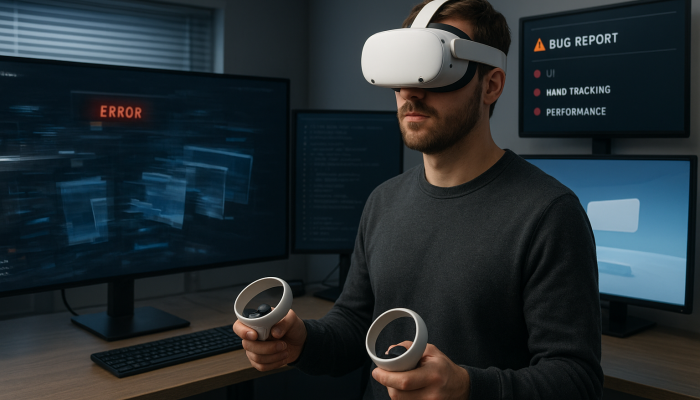
Skipping VR testing usually comes down to three main reasons: time, cost, and misunderstanding of complexity.
When VR QA is skipped, apps may technically “work,” but the experience fails. And in VR, experience is everything.
Even small issues like these shatter immersion. On mobile apps, users tolerate the occasional glitch. In VR, users feel those glitches instantly, because they directly impact comfort and usability.
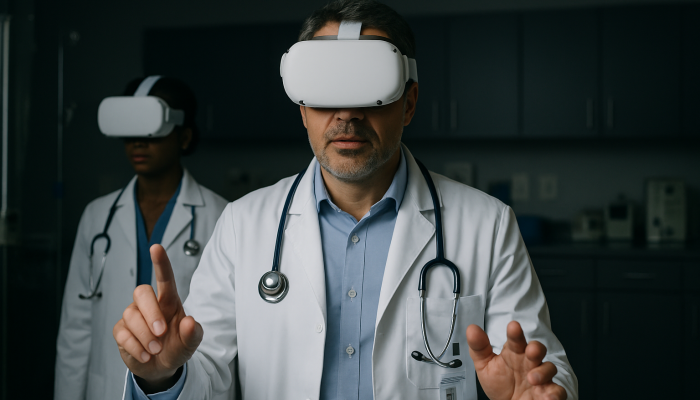
Skipping QA in these cases isn’t just risky — it can be unsafe. In industrial training or healthcare simulations, bad testing could result in real-world accidents or poor outcomes.
VR apps don’t run in identical conditions. A headset like Meta Quest 3 may handle tracking differently compared to HTC Vive or Pico headsets. Similarly, apps may work perfectly in an office but fail in a factory with reflective surfaces, loud noises, or low light. Proper VR testing means testing across devices and environments. Without that, you can’t guarantee reliability.
If skipping VR testing is a mistake, what does effective VR QA actually involve? At Mixed Reality Technologies, our VR testing process includes :
This kind of structured QA ensures VR apps aren’t just functional but truly immersive, safe, and user-friendly.
Skipping VR testing may save time today, but it costs far more tomorrow :
In other words: rushed builds break fast. High-quality VR experiences demand more than just creative design — they demand rigorous VR QA services that anticipate real-world challenges.
At Mixed Reality Technologies, we’ve designed our VR testing services to address these challenges head-on. Our approach combines hands-on immersive testing, environment simulation, and full headset coverage.
We know that VR testing isn’t just about finding bugs — it’s about ensuring comfort, reliability, and scalability. That’s why we don’t treat QA as an afterthought, but as a critical part of the XR development cycle
To help teams experience this firsthand, we also offer a 2-week trial of our XR QA services. It’s a chance to see how structured VR QA uncovers hidden issues before launch and ensures your application is ready for real-world users.
VR has incredible potential across gaming, healthcare, enterprise training, and industrial use. But potential alone doesn’t deliver success. What separates a good idea from a great product is proper VR testing.
Skipping VR QA doesn’t just risk bugs — it risks trust, adoption, and user safety. At Mixed Reality Technologies, we’ve seen firsthand how structured testing prevents failures and builds confidence in immersive apps.
The companies that invest in VR testing today are the ones that will stand out tomorrow. Quality in VR isn’t optional — it’s essential.
Fill out the form below and we will
contact you as soon as possible!